




Turn your cabinet website into a lead-generating machine
Everything custom cabinet and shelving manufacturers need to turn website traffic into real opportunities.
Beautiful photos and catalogs aren't enough
to capture or qualify serious buyers.
This playbook shows you how to transform your website into a lead-generating machine with clear goals, the right tools, and practical steps.
WHY CABINET WEBSITES DON’T GENERATE LEADS
Most cabinet and shelving manufacturers’ websites look beautiful but function more like digital brochures than sales engines. They showcase staged rooms, provide downloadable catalogs, and sometimes link to dealers. But they don’t engage buyers or capture demand.
The static gallery trap
- Only staged glossy photos, no interactivity.
- Visitors can’t test layouts, finishes, or pricing.
- Short sessions with no engagement.
- No lead capture or data collection.
The catalog PDF wall
- PDFs are outdated and hard to navigate.
- Buyers can’t filter or compare options
- No way to track visitors’ preferences.
- Most people download the file, never return.
The contact us dead end
- Gives buyers no next step beyond the form.
- Asks for details without offering value
- Doesn’t give any price before submitting.
- The form stops the journey.
The dealer redirect
- Visitors are pushed away to find a dealer.
- No chance to compare, or get basic info.
- Dealers get unqualified leads.
- The website just feels like a brochure.
Takeaway for Manufacturers
A website that doesn’t capture, qualify, and pass along leads isn’t helping your sales process. It’s a cost center dressed up as marketing.
UNDERSTAND YOUR WEBSITE LEAD JOURNEY
Every visitor to your website goes through a series of steps before they are ready to convert. At each stage, your site either builds momentum or creates friction. Understanding this journey is the foundation for turning traffic into qualified leads.
How buyers move through your site and convert
Many arrive after seeing styles on Instagram. When they reach your site, they know what they want.
Give them clear entry points into your product categories so they can immediately explore.
They test whether your products match their needs in size, finish, or layout.
Let them interact directly with your products through customization and real-time visualization.
They want to know if your products fit their budget before taking the next step.
Show real-time pricing or clear price ranges during customization to qualify serious buyers early.
They look for tangible proof that your brand is reliable and delivers quality.
Use case studies, project galleries, and testimonials with clear links to product pages.
They know what they want and expect a fast, straightforward way to complete the process.
Provide a clear CTA: add to cart, submit configuration, or request a final quote.
Takeaway for Manufacturers
Now that you see how visitors move through your website, the next step is to understand which features can support them at every stage and capture more leads.
TURN YOUR SITE INTO A DIGITAL SHOWROOM
If most cabinet and shelving websites fail because they act like brochures, the fix is to make it work like a showroom. Buyers should be able to explore, customize, and test ideas at their own pace. When your website offers this interactivity, it starts working as a lead generator.

3D visualization that engages
Cabinet buyers need to understand how options will look in their space. Letting them customize finishes, dimensions, and layouts in real time keeps them involved. This kind of engagement is what turns interest into intent.

Real-time pricing that qualifies
Live pricing keeps expectations aligned. As buyers make changes, they see the impact on the price instantly. By the time they reach out, they’ve already qualified themselves through informed decisions.

E-commerce integration that captures demand
When a buyer is ready to move forward, the process should be immediate. Allowing them to proceed to checkout removes friction. You capture momentum and reduce the risk of drop-off at a critical stage.

Manufacturing outputs that create action
Each configuration should produce accurate, production-ready documents. Automatically generating BOMs, cut lists, and installation drawings ensures that manufacturing and installation can begin without delays.
Pro tip: use a 3D configurator to enable this flow
You don’t need four separate tools to make this work. A single 3D configurator on your website can handle product customization, real-time pricing, direct buyer handoff, and automatic generation of manufacturing outputs.
One tool. One interface. Everything connected.
SEE IT IN ACTION: MODULINE CABINETS
Advice is useful, but seeing how a cabinet manufacturer actually put it to work is better. Moduline’s story shows what happens when a complex product line gets the right digital experience.

About Moduline
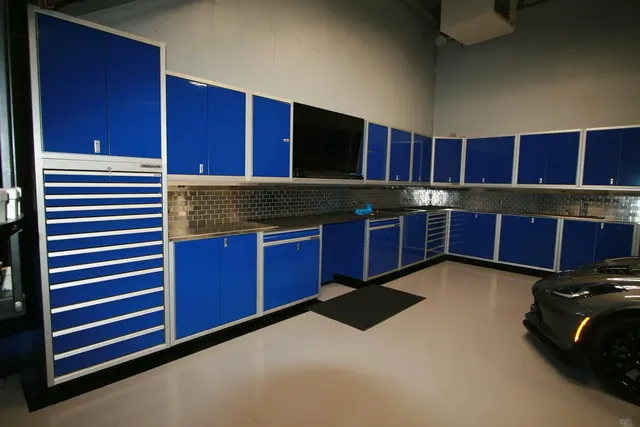
Moduline manufactures customizable cabinet systems for residential and professional environments.
Their modular components offer flexible combinations and sizing, tailored to fit each space.
Modular Cabinet Manufacturing
Aluminum storage systems, trailers, workspaces
Homeowners, contractors, commercial teams
Complex product, manual quoting, limited buyer journey
Buyers had to imagine their setup by combining CAD renders with catalog photos.
A premium, visual experience that reflects the quality of the product.
Real-time 3D visualization with high-fidelity renders, showing buyers their configurations.
The sales team was quoting manually with spreadsheets, leading to errors and delays.
A centralized, easy-to-use tool to generate accurate quotes without relying on spreadsheets.
A sales configurator with instant pricing, allowing the team to share quotes in minutes.
Buyers couldn’t explore layout options online. Every order required sales rep involvement.
Let buyers visualize and customize layouts, dimensions and finishes on the website.
A buyer-facing 3D configurator on the site, with selectable layouts, sizes, finishes.
Quoting and production were disconnected, causing friction and delays.
Automatically generate manufacturing outputs from finalized configurations.
Auto-generated BOMs, cut lists, and install drawings tied to each configuration.


Results
RESULTS: IMPACT OF A LEAD-GEN WEBSITE
We have seen what a modern cabinet website should do. This section shows what happens when you actually build it. Manufacturers who adopt interactive tools and improve the buyer journey aren’t just improving experience. They’re seeing measurable gains.
The more your site does, the less your sales team has to convince. Engagement happens earlier in the process.
Removing friction from the buying process pays off immediately. Buyers convert when they feel informed and in control.
Customization doesn’t just differentiate your product. It changes how much people are willing to spend.
When buyers can configure cabinets, see pricing instantly, and submit directly, your website is a place to buy. Not just browse.
GET STARTED: YOUR LEAD-GENERATING ROADMAP
As we’ve seen, a cabinet or shelving website only becomes a true lead machine when you define clear goals and support them with a 3D configurator that engages leads and qualifies them for sales. The steps below show how to get there.
Your 5-step action plan
- Check if products are easy to find and compare
- Test if visitors can see pricing signals or ranges
- Identify pages with high traffic but no conversions
A clear list of points where your website loses potential leads.
Key Takeaways
Interactivity turns interest into action
The moment buyers can customize or explore in real time, they move from passive browsing to active engagement.
A configurator connects the dots
One tool can unite visualization, pricing, and lead capture, turning your website into a true sales engine.
Price transparency builds confidence
Showing ranges or live updates removes hesitation and qualifies serious buyers before they reach sales.